
Close ties to France since independence in 1960, the development of cocoa production for export, and foreign investment made Cote d'Ivoire one of the most prosperous of the West African states, but did not protect it from political turmoil. In December 1999, a military coup - the first ever in Cote d'Ivoire's history - overthrew the government. Junta leader Robert Guei blatantly rigged elections held in late 2000 and declared himself the winner. Popular protest forced him to step aside and brought Laurent Gbagbo into power. Ivorian dissidents and disaffected members of the military launched a failed coup attempt in September 2002. Rebel forces claimed the northern half of the country, and in January 2003 were granted ministerial positions in a unity government under the auspices of the Linas-Marcoussis Peace Accord. President Gbagbo and rebel forces resumed implementation of the peace accord in December 2003 after a three-month stalemate, but issues that sparked the civil war, such as land reform and grounds for citizenship, remained unresolved. In March 2007 President Gbagbo and former New Forces rebel leader Guillaume Soro signed the Ouagadougou Political Agreement. As a result of the agreement, Soro joined Gbagbo's government as Prime Minister and the two agreed to reunite the country by dismantling the zone of confidence separating North from South, integrate rebel forces into the national armed forces, and hold elections. Disarmament, demobilization, and reintegration of rebel forces have been problematic as rebels seek to enter the armed forces. Citizen identification and voter registration pose election difficulties, and balloting planned for November 2009 was postponed to 2010. On 28 November 2010, Alassane Dramane Ouattara won the presidential election, defeating then President Laurent Gbagbo. Gbagbo refused to hand over power, resulting in a 5 -month stand-off. In April 2011, after widespread fighting, Gbagbo was formally forced from office by armed Ouattara supporters with the help of UN and French forces. Several thousand UN peacekeepers and several hundred French troops remain in Cote d'Ivoire to support the transition process.
CIA—The World Factbook
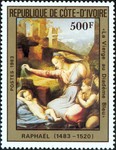
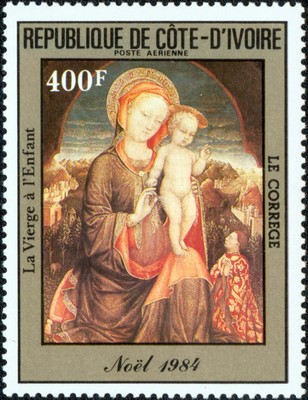
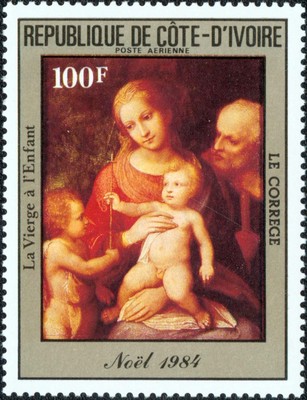
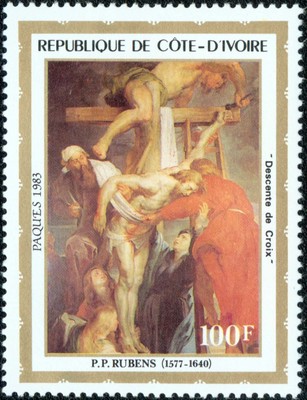
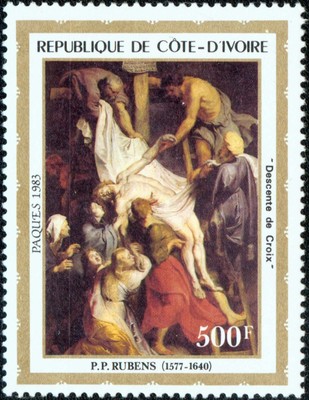
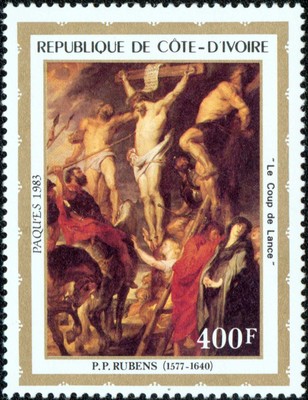
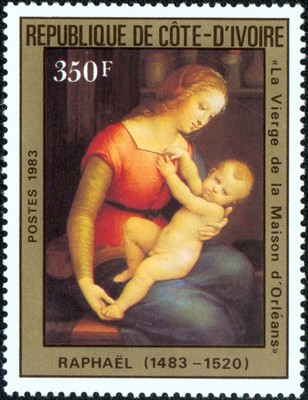
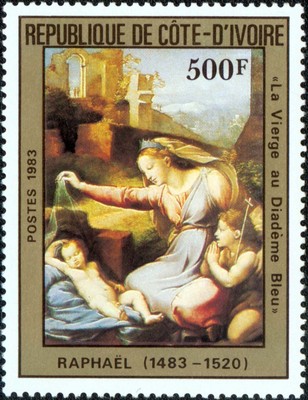
Ivory Coast began printing stamps in 1904. Printing of Mary stamps began in 1978.