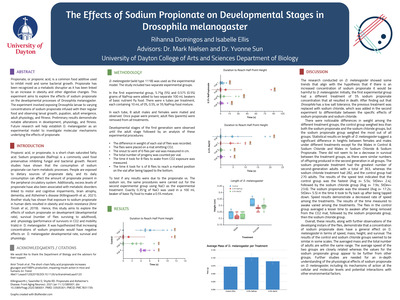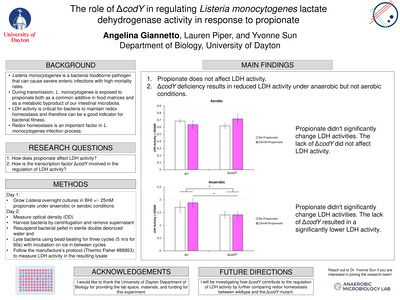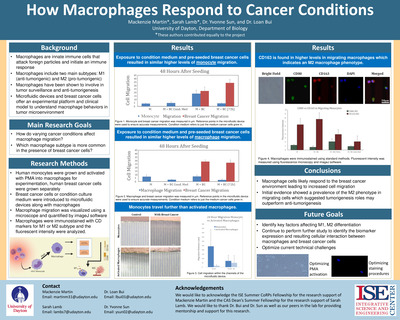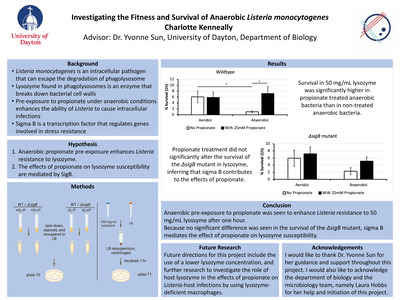


Research Posters of the Yvonne Sun Lab
-

Using University of Dayton Soil to Isolate Antibiotic Producing Bacteria
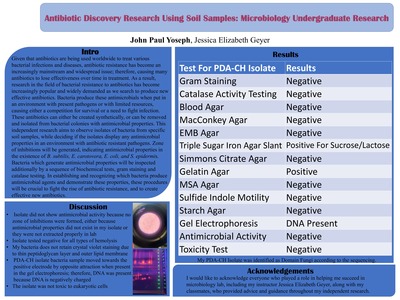
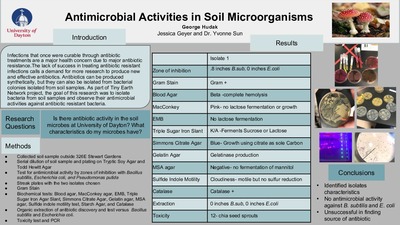
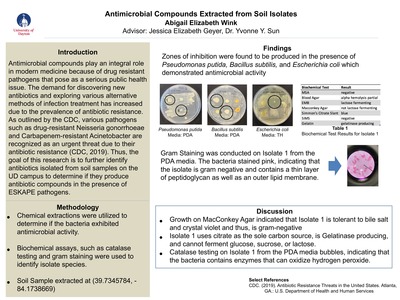
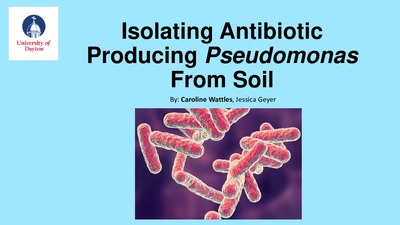
The overuse of antibiotics has created pathogens that have become resistant to the antibiotics effects. This is becoming a large issue because if the pathogens are resistant to the antibiotics then the antibiotics will no longer be able to cure certain illnesses. The Tiny Earth Network and Small World Initiative have created are partnering with undergraduate students in order to try to discover new antibiotics to combat this issue, using different soil samples from around the world. The goal of this research is to test University of Dayton soil for bacteria that produce antibiotics to help support the Tiny Earth Network and Small World Initiative. The soil sample was diluted down in order to isolate bacterium and then the bacteria colonies were plated on TSA and TH plates. Ten bacteria colonies were selected from each plate and tested against the known ESKAPE pathogens, Enterococcus faecium and Pseudomonas aeruginosa by using their safe relatives Enterococcus raffinosus and Pseudomonas putida. Two of the isolated bacteria showed zones of inhibition on both of the safe relative plates. The two bacteria colonies that had zones of inhibition were tested further using gram staining, catalase testing, hemolysis, triple sugar iron test, mannitol salt agar testing, MacConkey agar, citrate, gelatinase, motility identification. Then the bacteria was classified and then tested against Eukaryotic cells in order to find a safe antibiotic. This research helps contribute to the mission of the Tiny Earth Network and the Small World Initiative, in hopes of resolving the antibiotic crisis.
-
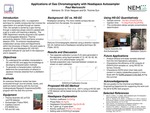
Applications of Gas Chromatography with Headspace Autosampler
The identification and quantification of chemical compounds in a mixture aids in the analysis of a broad range of processes ranging from chemical separation processes to biological separations. In an effort to enhance interdisciplinary collaboration across Units and Departments within the University of Dayton, we seek to understand and develop Gas Chromatography (GC) and Headspace-GC (HS-GC) analytical methods for use both in the classroom and research. The overall goal of this research is to present a summary and explanation of the variables that are manipulated in a GC equipment for the development of characterization methods. Calibration curves will be used to quantify compounds from different samples. Specifically, the methods and calibrations will focus on: (1) analyzing ethanol content in aqueous and organic mixtures, which ultimately can be applied to chemical engineering unit operations such as distillation and fermentation; (2) characterizing the efficiency of liquid-liquid extraction processes, which will be characterized using HS-GC; and (3) a biological application towards characterizing SCFA (short chain fatty acids) content in Listeria metabolites present in mice feces. This is an interdisciplinary project scheduled for this coming summer with Dr. Sun of the Biology Department, along with Dr. Vasquez of the Chemical Engineering Department. Ultimately, this research will culminate in an Honors Thesis that will help to obtain various GC methods for a variety of processes.
-
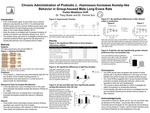
Chronic administration of probiotic L. rhamnosus increases anxiety-like behavior in group-housed male Long Evans rats
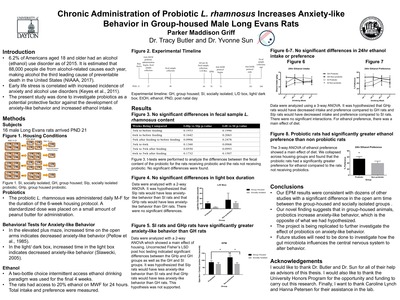
Early life stress is a risk factor for later development of alcohol use disorders and anxiety disorders in humans. Using rodent experimental models, we know that rats experiencing social isolation as early-life stress exhibit greater anxiety-like behavior and alcohol consumption than rats housed in groups. Examining potential preventive strategies, we investigated the effects of probiotics, which have previously been shown to decrease rodent anxiety-like behavior, on the relationship between early-life stress and anxiety-like behavior in rats. We hypothesized that probiotics consumption would decrease anxiety-like behavior in socially isolated rats, as well as in rats housed in groups. To our surprise, we found that the probiotics had no significant effect on anxiety-like behavior for socially isolated rats but significantly increased anxiety-like behavior in rats housed in groups. Our results suggest probiotics do not have a positive benefit to alleviate consequences of early life stress and raise caution for their therapeutic use.
-
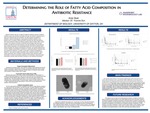
Determining the Role of Membrane Fatty Acid Composition in Antibiotic Resistance
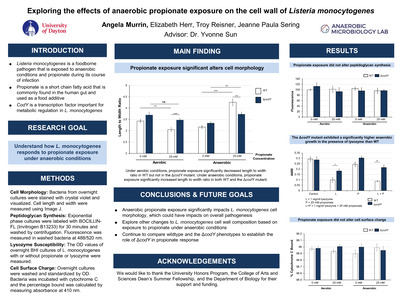
Bacterial infections that can no longer be treated by antibiotics because of bacterial mutations cause many infections and deaths each year. My research conducted aims to study how membrane fatty acid composition can affect bacterial susceptibility to antibiotics. Listeria monocytogenes, a gram-positive facultative anaerobe, is the bacterium that I am testing. Listeria has 80-90% branched-chain fatty acids (BCFAs) which allow membrane fluidity and sufficient protection against invaders. When Listeria is grown in the presence of butyrate, the BCFAs become straight-chain fatty acids (SCFAs) and make the once fluid membrane more rigid. We believe that this allows for easier antibiotic penetration of the phospholipid bilayer which lets the antibiotics affect cellular processes. By changing concentrations of butyrate I can therefore determine the minimum inhibitory concentrations of antibiotics for Listeria with different membrane fatty acid compositions. Moreover, as growth is a key factor in bacterial susceptibility to antibiotics. I also measure oxygen consumption rate in response to butyrate. Higher oxygen consumption rate is indicative of higher bacterial activity. Because oxygen consumption is carried out by protein complexes on the membrane, measuring oxygen consumption rate also reveal the effects of butyrate on cell membrane functionality.
-
Listeriolysin O production is regulated by SCFAs and oxygen in Listeria monocytogenes
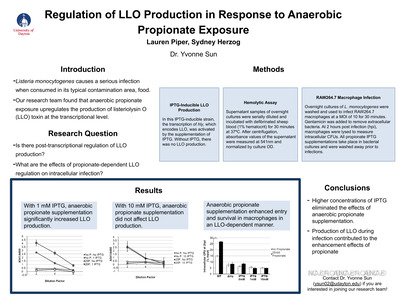
Listeria monocytogenes (LM) is foodborne pathogen that secretes listeriolysin O (LLO), a pore-forming toxin to establish its intracellular life cycle inside host cells. However, how the environment in the intestine that has both an oxygen gradient (low oxygen to no oxygen) and is enriched in short chain fatty acids (SCFAs) effects LM virulence regulation and pathogenesis has not been determined. To better understand LLO production in response to relevant environmental conditions found during LM transit through the intestinal lumen, a reporter strain and hemolytic assays were used to examine the effect of SCFAs on the transcription and the activity of LLO, respectively. We characterized the LM membrane fatty acid composition in response to SCFAs using FAME analysis. This allowed us to examine the role of membranes as an intermediate signal in LM response to SCFAs. In total, we found that that transcription and LLO production was significantly affected by SCFAs and that LM response to SCFAs was influenced by oxygen. Significant alterations in membrane fatty acids were also seen in SCFA-treated LM. Therefore, LM has the capability of responding to the SCFA-rich environment, in both virulence gene regulation and fatty acid metabolism, during intestinal transit and that individual variations in SCFA abundance may contribute to susceptibility to LM infections.
-
Modulation of Listeria monocytogenes carbon metabolism by short chain fatty acids
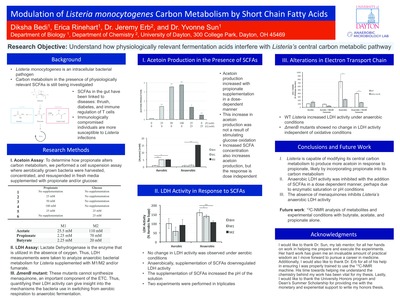
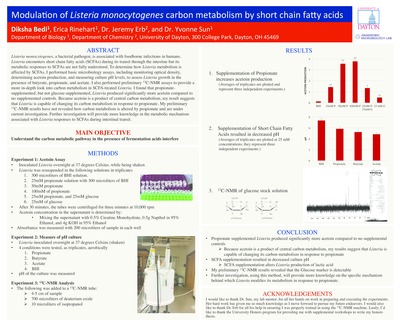
Listeria monocytogenes, a bacterial pathogen, is associated with foodborne infections in humans. Listeria encounters short chain fatty acids (SCFAs) during its transit through the intestine but its metabolic responses to SCFAs are not fully understood. To determine how Listeria metabolism is affected by SCFAs, I performed basic microbiology assays, including monitoring optical density, determining acetoin production, and measuring culture pH levels, to assess Listeria growth in the presence of butyrate, propionate, and acetate. I also performed preliminary 13C-NMR assays to provide a more in-depth look into carbon metabolism in SCFA-treated Listeria. I found that propionate-supplemented, but not glucose-supplemented, Listeria produced significantly more acetoin compared to no supplemented controls. Because acetoin is a product of central carbon metabolism, my result suggests that Listeria is capable of changing its carbon metabolism in response to propionate. My preliminary 13C-NMR results have not revealed how carbon metabolism is altered by propionate and are under current investigation. Further investigation will provide more knowledge in the metabolic mechanism associated with Listeria responses to SCFAs during intestinal transit.
-
Stimulating anaerobic respiration primes anaerobically grown Listeria monocytogenes for intracellular growth
Listeria monocytogenes (Listeria) is a Gram positive facultative organism whose lifestyle ranges from a saprophyte to an enteric intracellular pathogen. Listeria is generally ingested from contaminated food products, and as it transmits through the gastrointestinal tract its environment becomes increasingly anoxic. Currently it is not clear how Listeria adaptations to the fluctuating oxygen levels contribute to its pathogenesis. Therefore, we set out to understand what role anaerobic respiration plays in Listeria pathogenesis. Previous work in our lab has shown that anaerobically cultured Listeria has decreased intracellular growth in a tissue culture infection model using RAW264.7 macrophages. We hypothesized that this may be due to anaerobically cultured Listeria taking longer to switch from fermentation to aerobic respiration. This hypothesis was supported by the observation that, compared to an aerobic inoculum, an anaerobic inoculum exhibited an extended lag phase during aerobic growth in vitro. Using a tetrazolium reduction assay, we confirmed that anaerobically cultured Listeria have decreased reducing power, indicating decreased electron transport chain (ETC) activity. To determine whether the reduced ETC activity under anaerobic conditions is an important factor in Listeria pathogenesis, we supplemented the cultures with fumarate as an alternative electron acceptor to stimulate ETC activity and measured listeriolysin O (LLO) production as well as intracellular growth. When we supplied exogenous fumarate to Listeria, we noticed an increase in the reducing power as well as LLO production in anaerobically grown Listeria, compared to no fumarate controls. Moreover, fumarate supplementation restored the intracellular growth of anaerobically grown Listeria to the same level of aerobically grown Listeria inside macrophages. These findings point to the crucial role of anaerobic respiration in Listeria anaerobic virulence regulation.
-
The Effects of Short Chain Fatty Acids on the Ability of Listeria monocytogenes to Form Biofilm
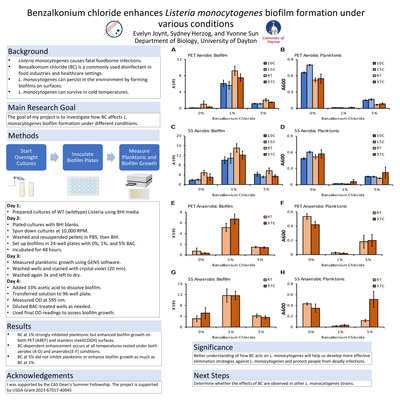
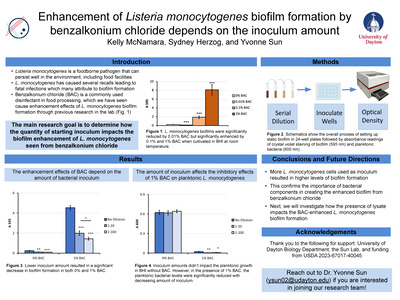
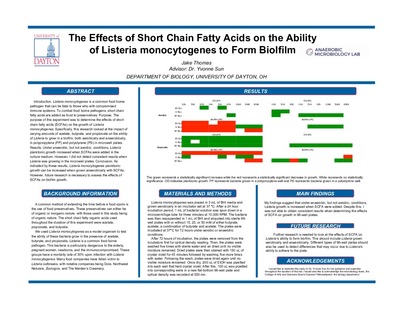
Introduction. Listeria monocytogenes is a common food borne pathogen that can be fatal to those who with compromised immune systems. To combat food borne pathogens, short chain fatty acids are added as food to preservatives. Purpose. The purpose of this experiment was to determine the effects of short chain fatty acids (SCFAs) on the growth of Listeria monocytogenes. Specifically, this research looked at the impact of varying amounts of acetate, butyrate, and propionate on the ability of Listeria to grow in a biofilm, both aerobically and anaerobically, in polypropylene (PP) and polystyrene (PS) in microwell plates. Results. Under anaerobic, but not aerobic, conditions, Listeria planktonic growth increased when SCFAs were added in the culture medium. However, I did not detect consistent results when Listeria was growing in the microwell plates. Conclusion. As indicated by these results, Listeria monocytogenes planktonic growth can be increased when grown anaerobically with SCFAs. However, future research is necessary to assess the effects of SCFAs on biofilm growth.
-
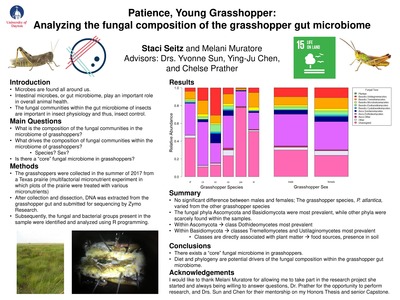
The impact of soil micronutrients on the gut microbiome of orthopterans
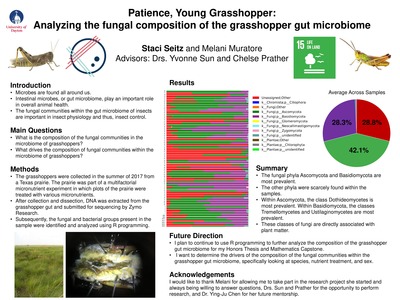
Nutrient limitation and nutrient-related stress can impact animal growth and abundance. An animal’s microbiome can also be affected by environmental and population constraints. The aim of our study is to investigate the role of both macronutrients such as nitrogen and phosphorus, and micronutrients, including sodium, calcium, and potassium, in shaping the gut microbiome of grasshoppers and other orthopterans. Grasshopper and katydid species were obtained from a coastal tall grass prairie in Texas, which was part of a multifactorial fertilization experiment manipulating the presence of macronutrients and sodium, calcium and potassium in all possible combinations, and dissected to harvest the gut, from the crop to the hind gut. We then extracted DNA from 75 orthopteran gut samples and submitted the sames for high throughput 16s and 18s sequencing with plastid filtration by Zymo Research. The sequencing results indicated a wide range of species diversity both within individuals and between them. Alpha diversity rarefraction calculations confirmed sequencing saturation in all samples. Results show a relative abundance of Erwinia, a genus that includes many plant pathogens. Preliminary analysis suggests a relationship specifically between the presence of sodium, coupled with nitrogen and phosphorus and the relative abundance of Erwinia, as well as other taxa. There also appear to be microbiome composition differences between species that are strict herbivores and those that are omnivorous. Our results indicate that both macro and micro nutrients affected the composition of the gut microbiome of these orthopterans and highlight the potential role of the orthopterans in the transmission of plant pathogens.
-
The Role of FNR/CRP Regulators in Listeria Aerobic and Anaerobic Production of Listeriolyin O
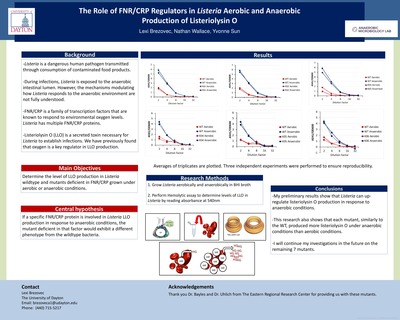
Listeria is a dangerous human pathogen transmitted through consumption of contaminated food products. During infections, Listeria is exposed to the anaerobic intestinal lumen. However, the mechanisms modulating how Listeria responds to the anaerobic environment are not fully understood. I completed experiments to help understand the role of the FNR/CRP family of transcription factors in Listeria and their response to anaerobic conditions. I did this by comparing wildtype Listeria and mutants deficient in FNR/CRP transcription factors in their ability to produce the toxin, listeriolysin O. If a specific transcription factor is involved, the mutant deficient in that factor would exhibit a different phenotype from the wildtype bacteria. After testing 3 out of the 13 mutants, I found that each mutant, similarly to the WT, produced more listeriolysin O under anaerobic conditions than aerobic conditions. My preliminary results confirm that Listeria can regulate listeriolysin O production in response to anaerobic conditions. I will continue my investigations in the future on the remaining 10 mutants, testing the different responses in aerobic and anaerobic conditions.
-
The role of oxygen in antibiotic resistance in Listeria monocytogenes and Staphylococcus aureus
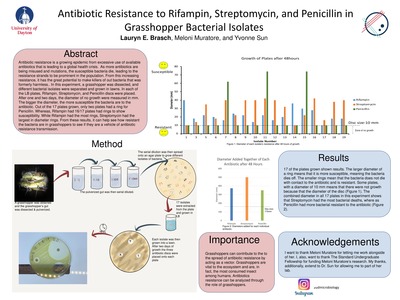
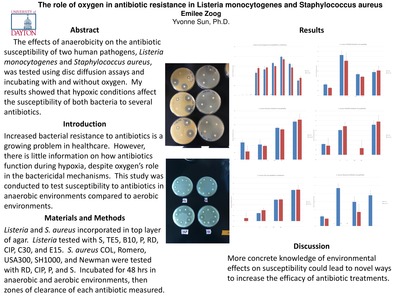
Antibiotic resistance in bacterial pathogens has been a growing concern in recent years as infections that were once easily treated are becoming bigger threats. In agriculture and healthcare, the importance of antibiotic stewardship has been emphasized in an effort to decrease the overuse of antibiotics. Development of novel antibiotics and improvement in current antibiotic testing protocols are two additional avenues being pursued to solve the issue. In this study, I tested the effects of hypoxia on the antibiotic susceptibility in two human pathogens, Listeria monocytogenes and five different strains of Staphylococcus aureus (USA 300, Romero, COL, Newman, and SH1000), using a standard disc diffusion assay. However, in addition to the standard aerobic incubation, anaerobic incubation was also performed to understand whether hypoxia affects antibiotic susceptibility in these pathogens. My results showed that susceptibility to rifampin, ciprofloxacin, chloramphenicol, and tetracycline increased in an anaerobic environment while susceptibility to erythromycin and bacitracin decreased in an anaerobic environment. Listeria was resistant to streptomycin and penicillin in both environments. Similarly, all five strains of S. aureus exhibited changes in antibiotic susceptibility during hypoxia. For example, the methicillin-resistant S. aureus strain USA300 became more susceptible to rifampin, ciprofloxacin, and penicillin in an anaerobic environment. These results suggest that oxygen levels play a key role in bacteria susceptibility to antibiotics. Therefore, we need to consider the effectiveness of antibiotics under relevant environmental conditions to help antibiotic usage become more efficient.
-
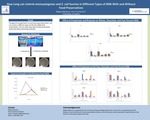
The Survival Rate of Listeria in Dairy Products Compared to Pathogenic E. coli
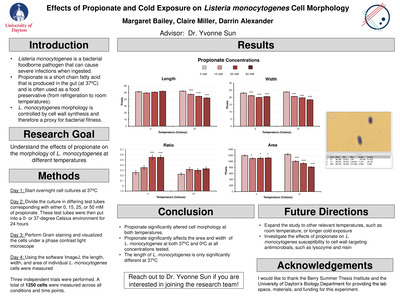
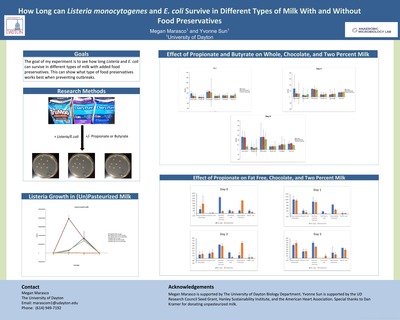
Listeria monocytogenes is a deadly human pathogen frequently found in dairy products. Its ability to grow and survive in the cold contributes to frequent contaminations despite the presence of food preservatives, such as propionate In my research, I first studied how effective propionate is against Listeria in dairy products, including three types of milk, 2%, fat free, and chocolate, all with and without propionate. Then I compared the survival of Listeria to survival of pathogenic E. coli in propionate-supplemented milk by monitoring the number of surviving bacteria 1, 2, and 3 days after storage in the refrigerator. I found that propionate is effective against Listeria only in 2% milk and is effective against E. coli only in fat free milk. Therefore, the efficacy of propionate depends on the types of dairy products as well as the types of foodborne pathogens. When one is developing food preservation methods, it is important to consider the different types of food and foodborne pathogens.
-
Application of a GUS reporter system to establish hly transcription in response to oxygen and propionate.
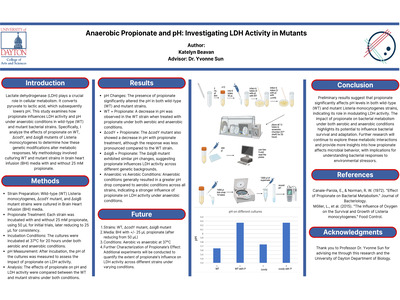
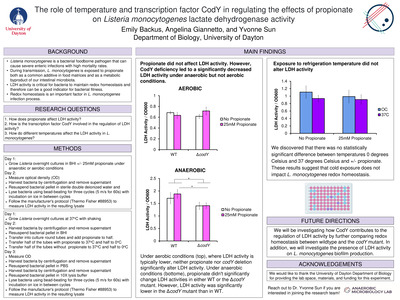
Listeria monocytogenes (LM) is a foodborne pathogen that causes listeriosis through production of the toxin listeriolysin O (LLO). In healthy individuals, the symptoms of listeriosis are minimal; however, severe illness can occur in pregnant women, immunocompromised patients, and the elderly. The Center of Disease Control and Prevention (CDC) has implicated LM to be responsible for 19% of the deaths related to foodborne pathogens. Every year 1,600 people become infected with LM and are hospitalized in the United States and 1in 5 patients do not survive. Due to these statistics, it is important to understand LM virulence and how it is regulated to ensure that the current food safety standards are effective against this pathogen. Previous work has shown that propionate, a common food preservative that also exists within the human gut, increases LLO production anaerobically with the inverse being true aerobically. Thus, if propionate affects LM pathogenesis, we expect the presence of propionate to affect the transcriptional regulation of the gene hly that encodes the protein LLO. This research verifies that a LM strain with a GUS reporter can be used to examine the effect of propionate on the transcriptional regulation of LLO production. Experiments were performed both aerobically and anaerobically in the presence of varying concentrations of propionate (0mM, 5mM, 15mM and 25mM). The results showed that anaerobically as the concentration of propionate increased the intensity of the fluorescence increased, meaning increasing hly transcription. Aerobically, however, the presence of propionate resulted in a decrease in hly transcription. These results highlight the impact propionate on hly transcription and the role of oxygen in LM response to propionate.
-
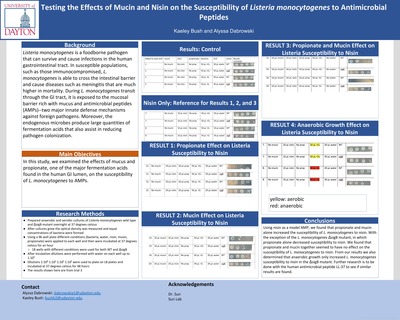
Assessing the Effect of Propionate and Oxygen on the Antimicrobial Activity of Nisin
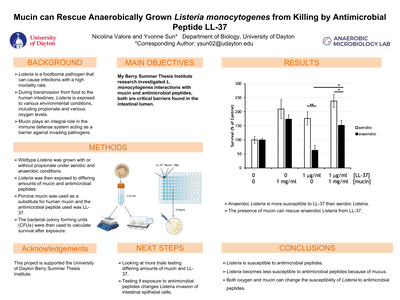
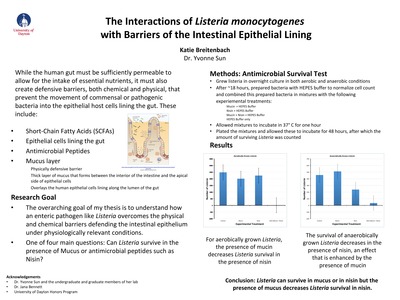
Listeria monocytogenes is one of many common foodborne pathogens that causes infections that are extremely dangerous to individuals, especially to those with compromised immune systems. From a societal standpoint, treatment can cost hundreds to thousands of dollars per patient thus causing a significant strain on public health. The human body, specifically the gastrointestinal lumen, is equipped with an internal chemical barrier that serves to fight off dangerous pathogens such as Listeria. This chemical barrier is composed of antimicrobial peptides that target invading microbes. Alongside these antimicrobial peptides are fermentation acids such as propionate that are produced by endogenous microbes in the human body. Foodborne pathogens are contracted through contaminated food products and in order to reduce this, public health officials incorporate antimicrobial peptides such as nisin to consumer food products. Research geared towards combating foodborne pathogens typically focuses on aerobic conditions; however, Listeria is exposed to anaerobic conditions due to the anoxic environment in the human gastrointestinal tract. The purpose of this study is to understand Listeria’s susceptibility to the fermentation acid propionate and antimicrobial peptide nisin in both aerobic and anaerobic conditions. By treating Listeria to incremental concentrations of both nisin and propionate and exposing the bacteria to both anaerobic and aerobic conditions, Listeria survival can be determined. This research possesses implications for the understanding of combating foodborne pathogens such as Listeria, and research can thus allow public health personnel to reduce the societal burdens of Listeria infection.
-
Listeria monocytogenes Oxygen Consumption
Listeria monocytogenes is a human pathogen responsible for foodborne illnesses with a high mortality rate. Similarly to many other enteric pathogens, it is a facultative anaerobe capable of growing under anoxic conditions such as some food packaging and our intestinal lumen. Therefore, to better understand how Listeria responds to fluctuating oxygen levels during transmission and infection, we measured oxygen consumption rate of Listeria grown under different conditions. Bacteria were grown overnight to stationary phase in BHI media aerobically or anaerobically and back diluted into fresh BHI for 2 hours to reach mid-log phase. The optical density of all cultures was measured and used to normalize oxygen consumption rate. The bacteria was centrifuged, washed, and resuspended into a concentrated suspension. The oxygen level was measured with the use of an oxygen probe inside an anaerobic chamber. The oxygen level of blank BHI media was measured and subtracted from the final oxygen rate. The results showed that anaerobically-grown mid-log phase bacteria has the fastest rate of oxygen consumption, followed by the aerobically-grown mid-log phase, then the anaerobically-grown and the aerobically-grown stationary phase bacteria. To test the role of electron transport chain in oxygen consumption rate, we treated the sample with the uncoupler CCCP during oxygen concentration measurement. Interestingly, the presence of CCCP did not significantly alter oxygen consumption rate, a result suggesting the presence of another oxygen consumption pathway other than the electron transport chain. The acutely toxic salt anion sodium azide will be tested next to determine if the cytochrome oxidase is involved in oxygen consumption. In summary, our results indicate a significantly different oxygen consumption potential between aerobically and anaerobically grown Listeria that may contribute to its transmission through environments with fluctuating oxygen levels.
-
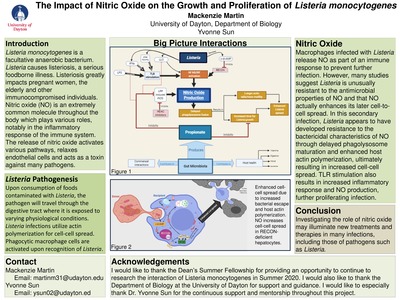
The Effect of Acetate on Listeria monocytogenes Pathogenesis
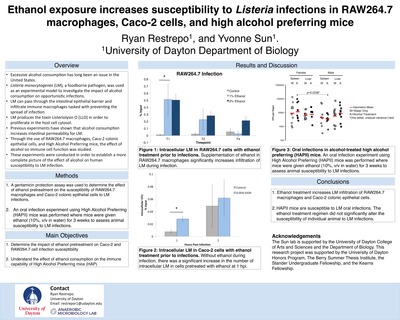
Affecting 1 in 6 Americans annually, foodborne illnesses range from mild gastroenteritis, to life- threatening conditions in high risk individuals with weakened immune systems. Those with chronic alcohol dependency fall in to the last category. Research on elucidating the mechanism of alcohol toxicity has focused on the intermediate of alcohol metabolism: acetaldehyde. However, it is not clear if acetate, the final product of alcohol metabolism, plays any role in individual susceptibility to foodborne infections. Therefore, my research project aims to determine the role of acetate in foodborne infections by using the Gram-positive bacterium Listeria monocytogenes as the model foodborne pathogen and establishing the effects of acetate on Listeria pathogenesis. Listeria pathogenesis was assayed by two different methods. First, the production of the toxin listeriolysin O (LLO) was determined in Listeria culture supernatant by hemolytic assays. Second, the ability of Listeria to cause infections was determined using a cell culture-based infection model. My results showed that the presence of acetate (50mM) significantly increased the anaerobic LLO production but not aerobic LLO production, suggesting that oxygen is critical in modulating the effect of acetate on Listeria. My preliminary results on cell culture infections showed that Listeria grown with acetate had an equal or slightly less infection rate in macrophages. I plan to expand the cell culture infection work in the following year to address the effect of acetate on cell susceptibility to Listeria infections using a human colonic epithelial cell line as another relevant cell types. Together, we will obtain a more comprehensive understanding on how acetate influence Listeria-host interactions. In the long run, we hope to contribute to the development of treatments for chronic alcohol dependency to lessen the financial and medical burden of alcoholism on individuals and on the society.
-
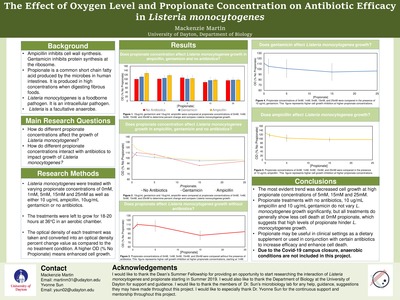
Understanding the Effects of Propionic Acid on Listeria monocytogenes Growth, Survival, and Virulence.
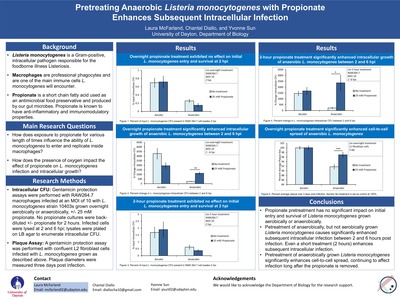
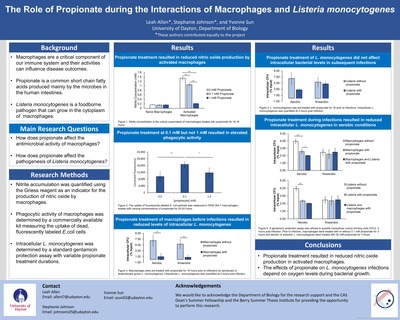
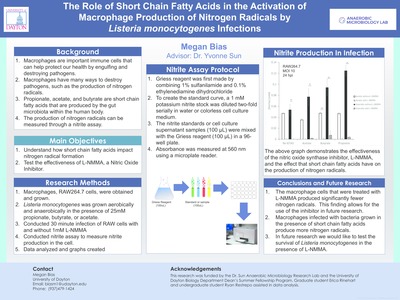
Listeria monocytogenes is a bacterial pathogen that causes foodborne gastrointestinal illnesses. In the absence of a strong immune system, Listeria can cause fatal infection by breaking the intestinal wall and spreading to other organs. Therefore, prevention of fatal infections relies on blocking Listeria from adhering to the intestinal wall. My work focused on understanding how propionate, a natural intestinal acid in healthy individuals, affects Listeria’s ability to grow and cause disease. We first conducted growth curves in BHI and found that propionate supplementations with concentrations up to 25mM resulted in a small decrease in in vitro growth under both aerobic and anaerobic conditions. In contrast, using hemolytic assays, we found that propionate supplementation resulted in a significant increase in listeriolysin O (LLO) supernatant activity after anaerobic growth, but a significant decrease in LLO supernatant activity after aerobic growth. To further determine the effect of propionate on Listeria pathogenesis, we infected RAW264.7 macrophages with Listeria grown aerobically or anaerobically, with or without propionate supplementations. Our results showed that compared to aerobically grown Listeria, anaerobically grown Listeria exhibited significantly higher intracellular CFUs during early infection time points, but lower intracellular CFUs during later time points. Supplementation of propionate during Listeria in vitro growth did not impact intracellular growth. Finally, we tested the hemolytic ability and intracellular growth of environmental Listeria isolates and saw results mimicking those of our lab strain. Together, our results suggest that Listeria is capable of growth with high levels of propionate but likely adapts to propionate differently depending on the presence or absence of oxygen. Further research is being conducted to test for protective effects of propionate on mammalian cells by treating the cells with propionate prior to infection. We hope to fully understand the extent of influence propionate has on host-pathogen interactions.
-
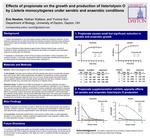
Supplementation of propionate inhibits the anaerobic growth of the foodborne pathogen Listeria monocytogenes
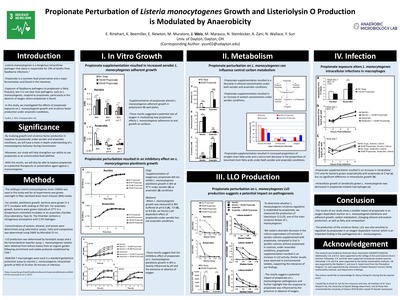
Listeria monocytogenes is an infectious bacterium that is known to cause severe diseases in people who are pregnant, elderly, or generally immunocompromised through consumption of contaminated food products. To help develop preventative strategies to protect these high-risk individuals, our lab focuses on the approach of enhancing the chemical barrier naturally existing in the intestinal tract to block L. monocytogenes from interacting with the human intestinal epithelium and causing fatal infections. The chemical environment inside the human intestinal lumen is rich with fermentation acids produced by the endogenous microbes. In my research project, I tested the efficacy of propionic acid, one of the three major fermentation acids naturally abundant in the human gastrointestinal tract, against the in vitro growth of L. monocytogenes. If propionic acid exhibits inhibitory effect on L. monocytogenes growth, then it can be further developed into a preventative tool against L. monocytogenes infections. To determine the effect of propionic acid on L. monocytogenes growth, I supplemented L. monocytogenes cultures with 0, 5, 15, 25mM of sodium propionate and grew the culture either aerobically with continuous agitation for oxygen saturation or anaerobically inside an anaerobic chamber with a 2.5% hydrogen in nitrogen atmosphere. I monitored bacterial growth by measuring culture optical density every hour for 8 hours and calculated bacterial doubling time during the exponential phase of the growth. I observed that under aerobic conditions, propionate supplementations did not cause a significant impact on bacterial doubling time. However, under anaerobic conditions, propionate supplementation at 25mM led to a significantly increased doubling time, a result indicating an inhibitory effect of propionate on growth. These results demonstrate an inhibitory effect of a naturally occurring fermentation acid in the human intestines and therefore highlighted the potential values for propionic acid as a preventative chemical agent against L. monocytogenes infections.
-

The effects of propionate and oxygen on the intracellular growth of the foodborne pathogen Listeria monocytogenes
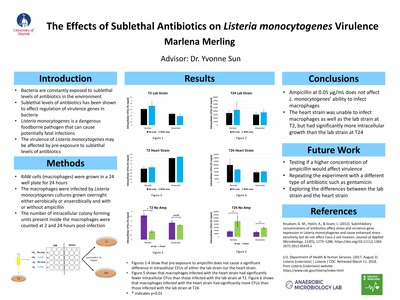
Listeria monocytogenes causes foodborne illnesses in immunocompromised individuals by colonizing the human intestine and disseminating to peripheral organs by crossing the intestinal barrier. During infections, Listeria adapts to the intestinal environment, which is low in oxygen but rich in fermentation acids. However, it is unclear how these acids influence Listeria pathogenesis under anaerobic conditions. In this study, we investigated the effects of anaerobic exposure to propionate, a major fermentation acid, on Listeria. To test the effect of propionate, we used a macrophage cell line as our model host cells and monitored the intracellular growth of Listeria after exposure to different levels of propionate under both aerobic and anaerobic conditions. Results showed that while anaerobically grown Listeria was compromised during late stages of intracellular growth compared to aerobically grown bacteria, supplementation of propionate at 15mM did not significantly impact intracellular growth. Survival and escape from the acidifying phagosomes is critical during Listeria intracellular growth. To test the effects of propionate on Listeria survival in acidic conditions, we conducted survival assays with aerobically and anaerobically grown Listeria after 1 hour exposure to pH 4, 5, 6, or 7 buffers. Our data showed that Listeria was not able to survive in the pH 4 buffer. For anaerobically grown Listeria, survival at pH 5 was significantly reduced compared to survival at pH 6 and 7. Propionate supplementations did not cause a significant change in survival. Together, our data suggest that anaerobic exposure, not propionate at 15mM, played an important role in Listeria pathogenesis. We plan to continue our investigations with higher concentrations of propionate. Ultimately, our research will help elucidate the behavior of Listeria during the intestinal phase of infections.
-
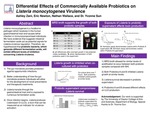
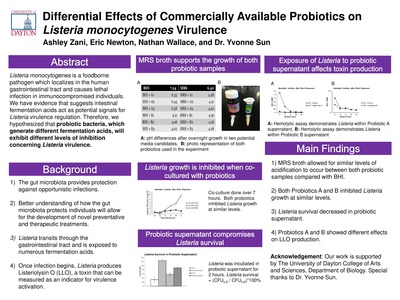
Differential Effects of Commercially Available Probiotics on Listeria monocytogenes Virulence
Listeria monocytogenes is a foodborne pathogen which can cause lethal infections in immunocompromised individuals. These infections involve meningitis in the elderly or spontaneous abortions of neonates--both scenarios result from Listeria crossing the intestinal barrier. The conditions that promote Listeria invasion during the intestinal phase of infection are not clearly defined. We have evidence that suggests intestinal fermentation acids as potential signals for Listeria virulence regulation. Therefore, we hypothesized that probiotic bacteria, which generate different fermentation acids, will exhibit different levels of inhibition against Listeria virulence. To test how different probiotic bacteria affect Listeria virulence, we used two commercially available probiotics from Phillips, Colon Health and Digestive Health Support, each containing a unique mixture of bacteria. First, a co-culture experiment between probiotic bacteria and Listeria was conducted to determine the probiotics ability to inhibit Listeria growth. Second, we tested Listeria survival in the fermentation products generated by these probiotic bacteria. Finally, we tested how the fermentation products affect Listeria production of the virulence factor listeriolysin O (LLO). Listeria growth was reduced when co-culturing with either of the two probiotics with both probiotics showing similar levels of suppression. After five hours of incubation in the supernatant of probiotic cultures, Listeria survival was significantly reduced in the Digestive Health Support probiotic compared to the Colon Health probiotic. Exposure to supernatant from the Digestive Health Support probiotic also significantly reduced LLO production. Taken together, Digestive Health Support probiotics exhibited stronger overall inhibitory activity against Listeria fitness and virulence. Future investigations will focus on determining the chemical composition of the probiotics fermentation products to explain the different responses in Listeria. Probiotics are quickly gaining popularity which argues for better understanding of their effects. Understanding their effects on foodborne pathogens will pave the way for applying appropriate probiotics as effective preventative and treatment strategies.