

Research Posters of the Yvonne Sun Lab
-

Effects of propionate on macrophage migration with and without infection
Macrophages are leukocytes that play an important role in the antibacterial responses by our body’s immune system. The activities and functions of macrophages are influenced by a variety of substances, such as short chain fatty acids (SCFAs) found in the gut. Currently, we know that SCFAs, such as propionate, induce directional recruitment of leukocytes. For intracellular bacterial pathogens, the movement of infected macrophages can contribute to the systemic dissemination of the pathogens. However, little is known whether SCFAs like propionate can modulate the movement of infected macrophages. To fill this knowledge gap, Listeria monocytogenes, a human pathogen capable of causing infections with high mortality rates, is used as the model intracellular pathogen. It is not clear how propionate modulates activities of macrophages infected with Listeria monocytogenes. The first objective of my honors thesis is to develop a transwell protocol to assess macrophage migration, including the identification of optimal staining procedures, macrophage numbers, and transwell pore sizes. The second objective of my honors thesis is to investigate how propionate changes the migration of infected macrophages. Findings from this study can help us better understand regulatory signals for macrophage functions and reveal potential immunotherapeutic treatments against intracellular infections.
-

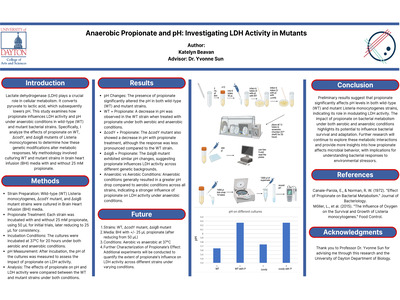
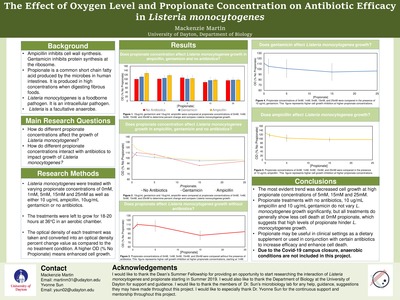
Identifying the effects of anaerobicity and propionate on Listeria monocytogenes metabolism and central nervous system infection
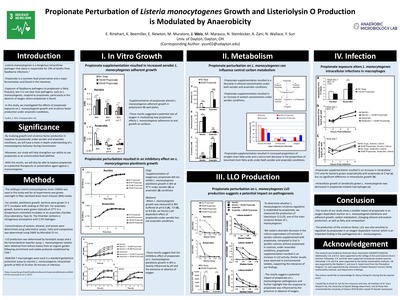
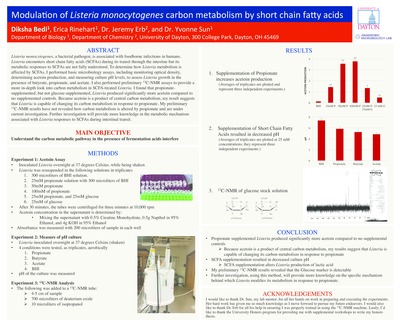
Listeria monocytogenes is a facultative foodborne pathogen that can enter the bloodstream and invade the central nervous system to cause meningitis. As an intracellular pathogen, L. monocytogenes replicates inside the host cell cytosol and avoids extracellular immune defenses as it disseminates throughout the body. L. monocytogenes can also reach and cross the blood brain barrier, resulting in severe or fatal symptoms in immunocompromised and elderly patients. The overarching goal of my research project is to better understand how different environmental factors, anaerobicity and propionate, in the intestinal lumen alter the ability of L. monocytogenes to cause infections. In the first aim of my thesis research, I investigated how anaerobicity and propionate affected L. monocytogenes central metabolism by measuring acetoin production, which is a proxy for pyruvate metabolism, and culture pH, which is a proxy for lactic acid production. I also compared these measurements between different strains to identify the potential genetic regulations underlying L. monocytogenes responses to anaerobicity and propionate. In the second aim, I examined the effect of anaerobicity and propionate on L. monocytogenes infection and intracellular growth in a model host cell line for neuronal cells, the Neuro-2A cells. Additionally, I investigated the intracellular growth differences between different strains to identify strain-dependent variations. Through this project, further findings were discovered about how anaerobicity and propionate exposure influence L. monocytogenes metabolism and infections, allowing for better understanding of how this pathogen might behave during and after intestinal transit.
-

Immune Signaling by HCT-8 Cells in Response to Intracellular Pathogens
Viral infections have the potential to completely overwhelm the body if appropriate measures by the immune system are not taken. Under the mentorship of Dr. Sun and Dr. Rajput, my research focused on the influence of propionate (a metabolic byproduct of gut microbiota with putative health effects) on intestinal epithelium cells infected with coronavirus (OC 43). By studying the cytopathic effects of HCT-8 cells exposed to different concentrations of propionate, we were able to gain a better understanding of how the metabolism of our gut microbiota can modulate our immune functions, something that can potentially lead to the development of new treatment options for coronaviruses, including COVID-19.
-

Investigating the Role of CodY in Regulating hly Transcript Level in Response to Propionate
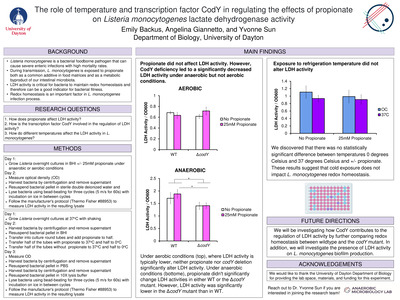
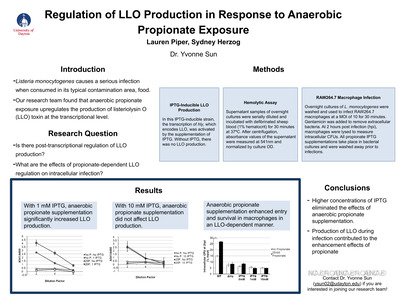
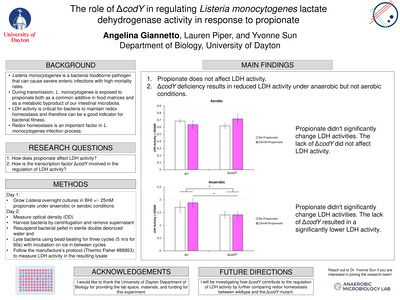
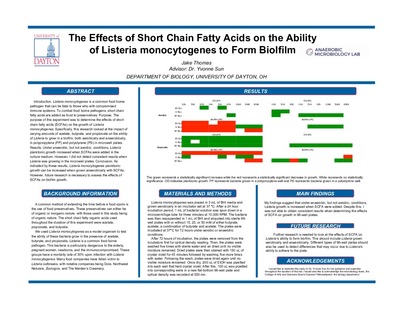
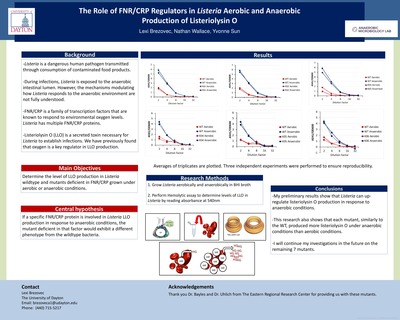
Listeria monocytogenes is a deadly foodborne pathogen with a variety of virulence factors. During its transmission from food products to the human intestines, L. monocytogenes needs to respond accurately to the changes in the environmental signals to coordinate the expression of the appropriate virulence factors. Through previous research in the lab, it was identified that the transcription factor CodY plays a key role in regulating the production of listeriolysin O (LLO), a virulence factor necessary for L. monocytogenes to establish an intracellular infection, in response to propionate. To confirm that this regulation takes place at the transcriptional level, I conducted quantitative reverse transcription PCR experiments to determine the transcript level of hly, the gene that codes for LLO, in response to propionate. I also compared the propionate response in wildtype and ΔcodY to determine whether the transcriptional response was dependent on the transcription factor CodY. With three independent trials, preliminary results showed that hly transcript levels were affected by propionate treatments. Further analysis will reveal whether CodY is involved in the propionate response.
-
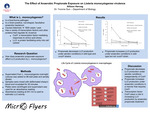
Anaerobic propionate exposure and its effect on the virulence and pathogenesis of Listeria monocytogenes Strain 07PF0776
Listeria monocytogenes is a prevalent food-borne pathogen, and a clear understanding of its pathogenesis can enhance our capability to treat infections. L. monocytogenes is ingested through contaminated foods, enters the intestinal lumen, and is able to spread throughout the rest of the body. While the pathogen spreads to tissues outside of the intestines, it resides in macrophages and travels through the bloodstream. It is currently understood that L. monocytogenes is able to disseminate into heart tissues from the intestines, however this aspect of infection is not clearly understood. A cardiotropic strain of L. monocytogenes, 07PF0776, that can cause life-threatening endocarditis has been isolated and can be used to understand pathogenesis in the heart. Dr. Erica Rinehart from Dr. Sun’s lab previously found that short chain fatty acids (SCFAs) have an effect on the pathogenesis of both strains 10403s (a commonly used laboratory strain) and 07PF0776, but there are distinct differences in bacterial growth and efficiency of infection in these two strains. Therefore, I intend to determine the effects of prior anaerobic exposure of SCFAs, specifically propionate, on strain 07PF0776 by using hemolytic assays to measure the activity of secreted LLO as an indication of bacterial virulence. If propionate treatment results in an increase of LLO production, there would be a higher red blood cell lysis in the mixture. Ultimately, this research will help us better understand the role of propionate and its potential applications in promoting cardiac health.
-
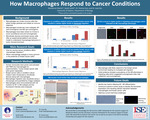
How Macrophages Respond to Cancer Conditions
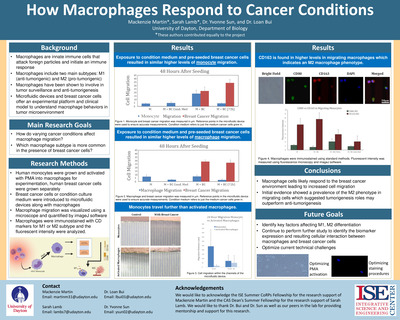
This project investigates the relationship between human macrophages and breast cancer cells. This project analyzes these differences through the measurement of macrophage migration through artificial channels under different cancer conditions. Macrophages are immune cells that travel around the body and engulf foreign particles. Macrophages can recognize cancer cells as foreign invaders and destroy these dangerous cells. This macrophage migration data preliminarily show that cancer condition media produces a unique macrophage migration response, suggesting that biomarkers released from cancer cells influence macrophage behavior. This project further investigates the differentiation of monocytes into specific macrophage phenotypes based on the expression of specific biomarkers. The most common macrophage phenotypes include an M1 phenotype which promotes an inflammatory response and initiates an immune system attack and an M2 phenotype that promotes angiogenesis and starts an anti-inflammatory response. Macrophage phenotypes were identified using fluorescence imaging. In this project, the most commonly identified migrating macrophage phenotype was the M2 phenotype which was identified by the CD163 marker. This project presents preliminary findings of macrophage and breast cancer interactions that can be extrapolated to what happens clinically in the immune response of a cancer patient and possibly lead to the discovery of new cancer therapies.
-

Identifying the effects of anaerobic exposure on Listeria monocytogenes infection of the central nervous system
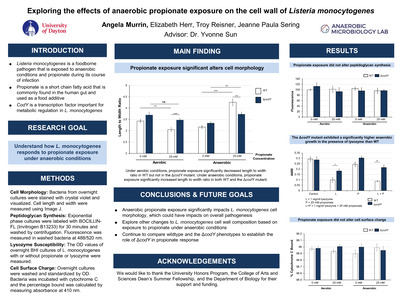
The foodborne pathogen Listeria monocytogenes is capable of crossing the gastrointestinal epithelium and invading macrophages and non-phagocytic cells. As an intracellular pathogen, L. monocytogenes replicates inside the host cell cytosol to be transported throughout the bloodstream and avoid any extracellular immune defenses. In this mechanism, the bacteria can reach and cross the blood brain barrier, resulting in bacterial meningitis that can be severe in immunocompromised patients. In this project, the goal of the research is to determine how anaerobic exposure, a typical process during the intestinal phase of infection, affects L. monocytogenes invasion of the central nervous system. Neuro-2A cells, acting as the model host cell for neuronal cells, are grown and infected with L. monocytogenes pre-exposed to anaerobic or aerobic conditions for different lengths of time. The 10403s strain, a neurotropic strain, and a cardiotropic strain are used to identify strain-dependent variations. Intracellular growth is measured to determine whether bacteria anaerobic adaptations alter the infection outcome. From these results, we will identify intestinal conditions that can potentially influence L. monocytogenes neural invasion to better understand this particular pathogenic process.
-
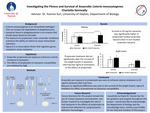
Investigating the Fitness and Survival of Anaerobic Listeria monocytogenes
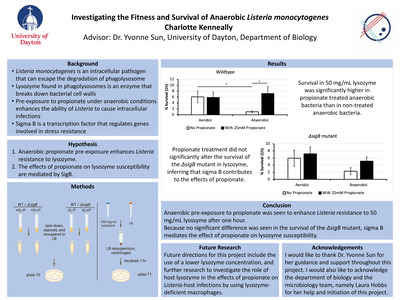
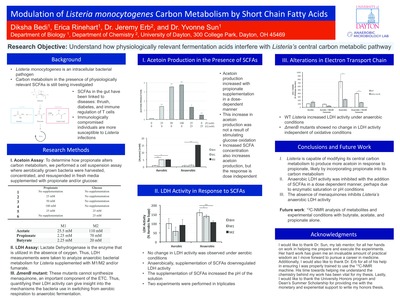
Listeria monocytogenes is a foodborne pathogen capable of surviving and growing under aerobic and anaerobic conditions, with anaerobically grown Listeria exhibiting a compromised growth. Under anaerobic conditions, Listeria often encounters fermentation acid, propionate. The focus of this research project is to determine the effects of propionate on Listeria susceptibility to host-derived antimicrobial enzyme, lysozyme. Moreover, because glycerol is a key carbon source for Listeria in a host cell, the impact of glycerol on lysozyme susceptibility will also be determined. Listeria is grown aerobically or anaerobically, with or without the addition of propionate, and then normalized by optical density values. Bacteria are harvested by centrifugation and resuspended in a prepared stock solution of lysozyme. Live bacteria are quantified by plating for colony forming units at 0, 1, and 4 hours post lysozyme exposure to determine lysozyme susceptibility. These results provide insight into how anaerobic adaptation alters Listeria fitness during infections.
-
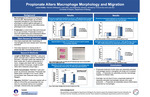
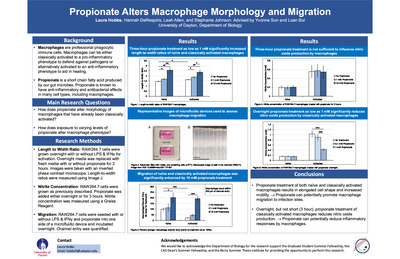
Propionate Alters Macrophage Morphology and Migration
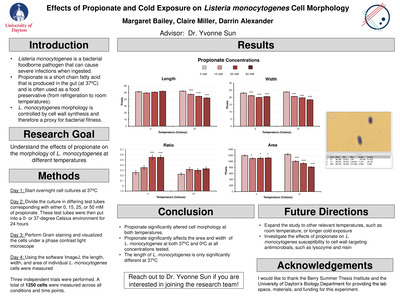
Propionate is a short chain fatty acid found in our gut and used as a food preservative. Macrophages are a type of phagocytic immune cell that act as a first line of defense against pathogens. Propionate has been found to exhibit anti-inflammatory and antibacterial effects in many cell types, including macrophages. However, the impact of propionate on macrophage morphology is still not fully understood. Therefore, I seek to establish the effect of propionate on macrophage morphology and migration. RAW.264.7 macrophages were treated with IFN-γ and LPS (to simulate infection) and varying concentrations of propionate. Microscopy images were analyzed with ImageJ to determine the length to width ratio of the cells under different treatments. Microfluidic devices were used to assess migration. Nitric oxide production was determined by measuring extracellular nitrite. As low as 1 mM propionate treatment for 3 hours was sufficient to significantly increase the length to width ratios of both naïve and activated macrophages. However, 3 hour propionate treatment at up to 10 mM did not affect nitrite concentration. Overnight propionate treatment as low as 1 mM significantly reduced nitrite concentration in activated macrophages. Overnight 10 mM propionate treatment enhanced migration of both naïve and activated macrophages. These results suggest propionate alters macrophage morphology and potentially alter activation state.
-
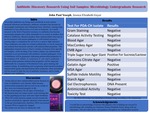
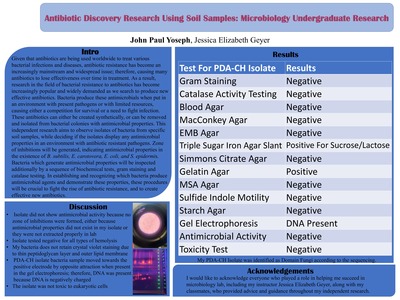
Antibiotic Discovery Research Using Soil Samples: Microbiology Undergraduate Research
Given that antibiotics are being used worldwide to treat various bacterial infections and diseases, antibiotic resistance has become an increasingly mainstream and widespread issue; therefore, causing many antibiotics to lose effectiveness over time in treatment. As a result, research in the field of bacterial resistance to antibiotics has become increasingly popular and widely demanded as we search to produce new effective antibiotics. Bacteria produce these antimicrobials when put in an environment with present pathogens or with limited resources, causing either a competition for survival or a need to fight infection. These antibiotics can either be created synthetically, or can be removed and isolated from bacterial colonies with antimicrobial properties. This independent research aims to observe isolates of bacteria from specific soil samples, while deciding if the isolates display any antimicrobial properties in an environment with antibiotic resistant pathogens. Zone of inhibitions will be generated, indicating antimicrobial properties in the existence of Bacillus subtilis, Erwinia carotovora, Escherichia coli, and Staphylococcus epidermis. Bacteria which generate antimicrobial properties will be inspected additionally by a sequence of biochemical tests, gram staining and catalase testing. In establishing and recognizing which bacteria produce antimicrobial agents and demonstrate these properties, these procedures will be crucial to fight the rise of antibiotic resistance, and to create effective new antibiotics.
-

Antibiotic Susceptibility of Listeria monocytogenes
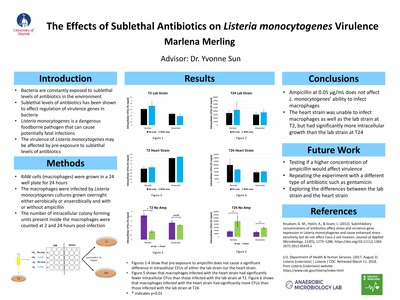
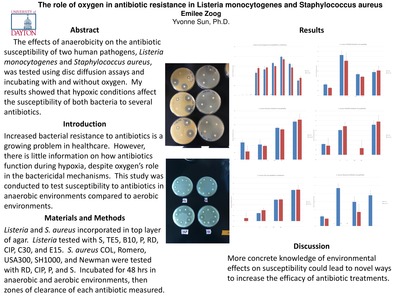
Listeria monocytogenes is a foodborne pathogen capable of surviving and growing under aerobic or anaerobic conditions in variety of environments, including the cytoplasm of mammalian cells. This intracellular growth requires Listeria to make multiple metabolic and physiological adaptations that are different from extracellular growth. Anaerobically grown Listeria has previously exhibited a significantly compromised intracellular growth—an observation suggesting that prior anaerobic exposure altered adaptations to conditions inside a host cell. The focus of this experiment was to elucidate how intracellular adaptations, with or without prior anaerobic exposure, alter the antibiotic susceptibility of intracellular Listeria. Listeria were grown aerobically or anaerobically prior to infection and then used to infect macrophages. Infected macrophages were treated with gentamicin to remove extracellular bacteria, then lysed with sterile water after one, four, or eighteen hours of infections. Bacterial lawns were created prior to infection for a point of reference for comparison, as well as after each time point. Filter discs containing different concentrations of ampicillin were placed on the lawns to test susceptibility in a zone of inhibition assay. We observed that anaerobically grown Listeria is more susceptible to ampicillin than aerobically grown prior to infection at the three highest concentrations. No significant difference was found in susceptibility to ampicillin between anaerobically grown or aerobically grown Listeria following eighteen hours. Aerobically grown Listeria was seen to become more susceptible to the antibiotic treatment with more time inside the macrophage, while anaerobically grown Listeria showed little change in susceptibility over the varying time points. These results demonstrate intracellular adaptions alter antibiotic susceptibility and may alter dosage requirement during antibiotic treatments.
-
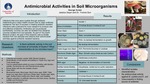
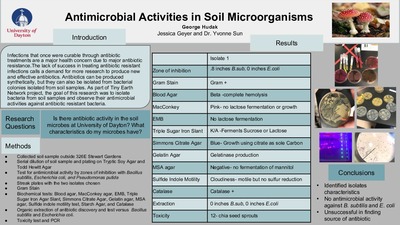
Antimicrobial Activities in Soil Microorganisms
Infections that were once able to be cured have now come back due to excessive usage and misusage of antibiotics. Bacteria have built up resistance to various antibiotics and are becoming more prevalent in deadly diseases. The lack of success in treating resistant bacteria calls demand for research to produce new and effective antibiotics. Antibiotics can be produced synthetically, but they can also be isolated from bacterial colonies that produce antimicrobial activity against pathogens. In this research project, the bacterial colonies were isolated from soil and tested on their antimicrobial activity responses. As part of the Tiny Earth Network project, the goal of this research was to isolate bacteria from soil samples and observe their antimicrobial activities against antibiotic-resistant pathogens. The antimicrobial activity was indicated through zones of inhibition against safe relatives of ESKAPE pathogens. Two there were used in this research were Bacillus subtilis and Escherichia coli. Bacteria that produced antimicrobial activities against these two pathogens were further examined in a series of biochemical tests, Gram staining, and catalase testing. Finally, an ethyl acetate extraction was performed to confirm the antimicrobial activity and investigate for potential toxicity. By identifying bacteria that are producing this antimicrobial activity will help further the knowledge to combat antibiotic resistance and help in the development of new antibiotics.
-
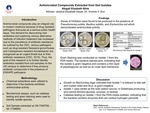
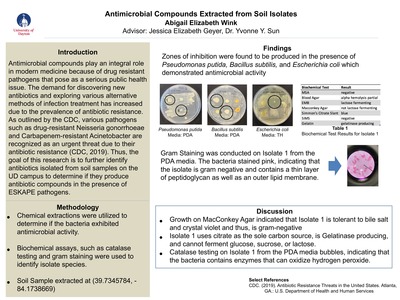
Antimicrobial Compounds Extracted from Soil Isolates
Antimicrobial compounds play an integral role in modern medicine due to their drug resistant qualities that pose as a serious public health issue. The demand for discovering new antibiotics and exploring various alternative methods of infection treatment has increased due to the prevalence of antibiotic resistance. As outlined by the CDC, various pathogens such as drug-resistant Neisseria gonorrhoeae and Carbapenem-resistant Acinetobacter are recognized as an urgent threat due to their antibiotic resistance (CDC, 2019). Thus, the goal of this research is to further identify antibiotics isolated from soil samples on the UD campus to determine if they produce antibiotic compounds in the presence of ESKAPE pathogens. Zones of inhibition were found to be produced in the presence of Pseudomonas putida, Bacillus subtilis, and Escherichia coli which demonstrated antimicrobial activity. Biochemical assays, such as catalase testing and gram staining were used to help identify isolate species. Chemical extractions were utilized to determine if the bacteria extracted from the isolates exhibit antimicrobial activity. Isolating antimicrobial compounds is imperative in the healthcare setting, as drug resistance determines the efficacy of antibiotics.
-

As Above, So Below: Antibiotic Resistance of Soil and Surface Microbes
In Spring 2021, five members of the student organization Flyers Against Antibiotic Resistance performed a surveillance project in collaboration with students in the BIO 411L General Microbiology Lab course to investigate the prevalence of antibiotic resistance around the University of Dayton campus. We tested bacterial isolates collected from soil by the BIO 411L students and from human-associated surfaces for their growth on tetracycline-containing agar plates where a positive growth would indicate tetracycline resistance. We found that the prevalence of tetracycline-resistant bacteria was much higher in isolates from human-associated surfaces than isolates from soil. The 4 different media types also contributed differently to the isolation of tetracycline-resistant bacteria. Moreover, stairs and floor surfaces account for the majority (31% and 29.4%, respectively) of resistant isolates from human-associated surfaces. In summary, tetracycline resistance is present in a variety of environments and can potentially be spread from human-environment interactions.
-
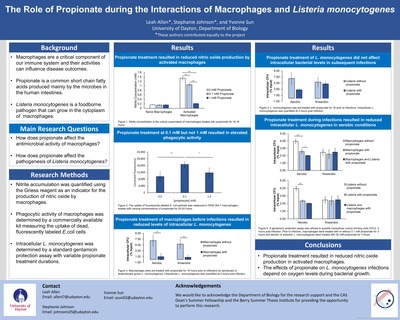
Determine the Effect of Propionate on the Interactions Between Macrophages and Listeria monocytogenes
Listeria monocytogenes is an opportunistic and intracellular food-borne pathogen that can be deadly in high risk populations. During infection in the human body, L. monocytogenes may encounter macrophages, a type of white blood cell that is critical in innate immune response both by directly targeting invading pathogens and by eliciting adaptive immune responses. During intestinal as well as peripheral infections, both L. monocytogenes and macrophages may encounter propionate, a common gut microbiome metabolite. Although propionate is shown to have various regulatory and nutritional functions, its effects on infection outcome is not well understood. Therefore, the goal of this research is to determine how the exposure to propionate by L. monocytogenes and macrophages may affect subsequent infection outcomes. Specifically, the effects of propionate on phagocytic activity of macrophages have been quantified by measuring macrophage uptake of fluorescently labeled L. monocytogenes after exposure to different propionate concentrations. Additionally, the effects of propionate on the bactericidal activities inside macrophage phagosomes was determined by quantifying the number of intracellular L. monocytogenes mutant deficient in listeriolysin O remained inside phagosomes instead of escaping into the cytoplasm. The findings of this research will provide more information on how the immune response is regulated by propionate and offer a mechanistic insight into the vast role of the gut microbiome.
-
Isolating Antibiotic Producing Pseudomonas From Soil
The Tiny Earth Network works to address the decreasing amount of effective antibiotics by testing soil bacteria for antibiotic production. Antibiotics are used in medicine to treat bacterial infections by killing or slowing the growth of bacteria. A threat to the common treatment is antibiotic resistance which has resulted in a health crisis. To combat this, new antibiotics need to be discovered and through the Tiny Earth Initiative bacteria from soil samples are being used as a source. The isolated soil bacteria was tested for antibiotic production against clinical pathogens such as E. coli and S. epidermidis. Laboratory methods such as gram staining, biochemical testing, and 16s rRNA gene sequencing were used to identify the isolated soil bacteria. An organic extract was also prepared from the isolate using ethyl acetate for extraction and methanol as a solvent to confirm the antimicrobial activity and to check for potential toxicity. The methanol solution of the extract was plated onto a water agar plate. Chia seeds were sprinkled onto the plate and left to grow. Chia seed growth indicated the antibiotic extract was not toxic to Eukaryotic organisms while no growth indicated toxicity. Discovery of antibiotic producing bacteria will help the ongoing battle against antibiotic resistance and its effect on bacterial infection treatment options.
-
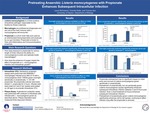
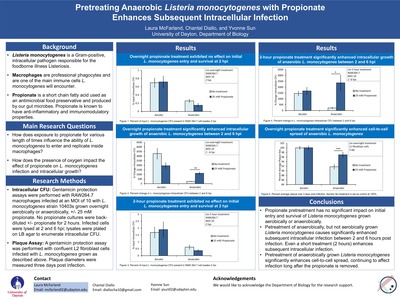
Pretreating Anaerobic Listeria monocytogenes with Propionate Enhances Subsequent Intracellular Infection
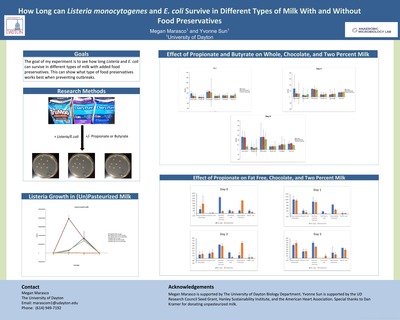
Listeria monocytogenes is a Gram-positive facultative intracellular pathogen, responsible for the foodborne illness listeriosis. During the infection process, L. monocytogenes is commonly exposed to propionate, a short chain fatty acid found in our gut and used as a food preservative. Although propionate is known to exhibit antimicrobial and anti-inflammatory properties, its role in L. monocytogenes pathogenesis is not clear. Therefore, I seek to further establish the effect of L. monocytogenes propionate exposure on subsequent infection. RAW264.7 macrophages infected with L. monocytogenes strain 10403s were used to assess intracellular growth. Plaque assays were performed with L fibroblasts to determine long-term impact of propionate exposure. Anaerobic L. monocytogenes pretreated with propionate was exhibited a significant increase in intracellular growth compare to untreated anaerobic L. monocytogenes. Furthermore, plaque sizes of propionate-treated anaerobic L. monocytogenes were significantly larger than plaque sizes from untreated L. monocytogenes. However, propionate pretreatment of aerobic L. monocytogenes exhibited no effect on subsequent intracellular growth or spread. These results indicate that propionate exposure of anaerobic L. monocytogenes prior to infection has a long-lasting impact on enhancing subsequent intracellular infection and cell-to-cell spread.
-

Searching for Antimicrobial Activities in Soil Bacteria: The Biochemical Test Results For My Isolates
In the BIO 411L course, I participated in a research project to look for bacteria from soil that have antimicrobial activities. To characterize the bacterial isolates, I performed identification experiments based on their biochemical abilities. These experiments include Gram staining to distinguish between Gram-positive and Gram-negative bacteria. Additional experiments include differentiation on the basis of (1) their metabolic activities through protein, carbohydrate and enzyme production and utilization; (2) erythrocyte lysis analysis; and (3) catalase test. In addition to learning about these biochemical assays, I also learned about how common contamination was in microbiology lab and how contamination could interfere with our experimental results.
-
The Effects of Propionate on the Activation of Macrophages Against the Intracellular Pathogen Listeria monocytogenes
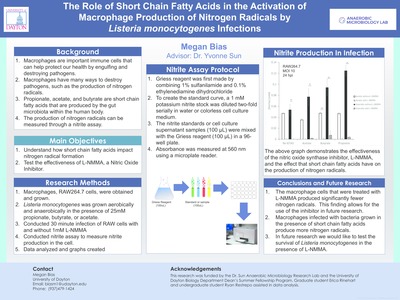
L. monocytogenes is a foodborne pathogen that can infect and cause death to immunocompromised, pregnant, or elderly individuals. The purpose of this research is to determine whether propionate, a common metabolite in our gut with known effects on our immune system, can signal our immune responses to prevent L. monocytogenes infections. Therefore, in this project, propionate was added to white blood cells where nitrite and reactive oxygen species were quantified to determine the effect of propionate on the activation of the immune system. Furthermore, RT-PCR was used to measure the effect of propionate on iNOS gene expression. Lastly, gentamicin protection assays were performed on naive and activated white blood cells to determine the effect of propionate on L. monocytogenes infection. Overall, these results will provide a greater understanding of the effects of propionate on immune cell activation and L. monocytogenes infections.
-
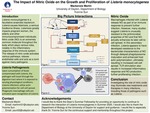
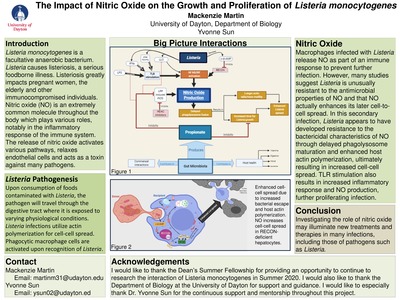
The Impact of Nitric Oxide on the Growth and Proliferation of Listeria monocytogenes
Listeria monocytogenes (L. monocytogenes) is a foodborne, pathogenic bacterium that causes the illness listeriosis. The pathogenesis of L. monocytogenes can be impacted through the alteration of many different substances, pathways, and conditions. Varying nitric oxide levels have a well-documented impact on the spread of L. monocytogenes. Nitric oxide molecules are present in many cells and participate in diverse cellular functions, notably playing a significant role in the body’s immune response. Through the support of the Dean’s Summer Fellowship, students in Dr. Sun’s research lab investigated, summarized, and discussed current scientific literature related to the pathogenesis of L. monocytogenes. This presentation will detail the discussions related to the impact of nitric oxide on L. monocytogenes pathogenesis. Upon review of the literature, it is evident that the presence of nitric oxide results in enhanced L. monocytogenes infection. Nitric oxide production has been shown to be associated with enhanced bacterial infection of macrophages, protection against bactericidal mechanisms, and increased bacterial escape of L. monocytogenes. Furthermore, studies suggest that activation of the Nf-kB pathway, which is closely related to nitric oxide production, also enhances L. monocytogenes infection. An understanding of the impact of nitric oxide on L. monocytogenes infection has important clinical implications in developing therapies to mitigate infection as well as relevant research significance in the understanding of other complex pathways, such as the Nf-kB pathway.
-
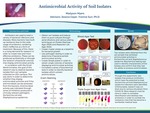
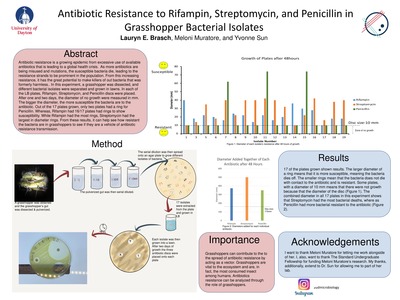
Antimicrobial Activity of Soil Isolates
Antibiotics are used around the world to treat a variety of bacterial infections and diseases. Due to this wide usage, bacteria have built up antibiotic resistance that has caused many antibiotics to be an ineffective form of treatment. As more bacteria become resistant to common antibiotics, there is a rising demand for research in this field, and a need for the production of new and effective antibiotics. Antibiotics can be produced synthetically, but they may also be isolated from bacteria colonies displaying antimicrobial activities. When placed in an environment that has limited resources or where a pathogen is present, bacteria will produce antimicrobials in order to combat infection or fight off competition. In correlation with the Small World Initiative, the goal of this research is to observe bacteria isolates from soil samples and determine if any isolates display antimicrobial activities and if those antimicrobials can be extracted from the bacteria. Bacteria will be isolated from soil on UD property and reduced to pure cultures. Antimicrobial activities will be indicated through zones of inhibition produced in the presence of clinically relevant pathogens such as Escherichia coli, and Staphylococcus epidermis. Bacteria that exhibit antimicrobial activity will be identified through further examination using a series of biochemical tests including gram staining, and catalase testing etc.. Identifying bacteria exhibiting antimicrobial activity is necessary to combat rising antibiotic resistance and in developing new antibiotics.
-

Fun with Fungi: Antimicrobial Activity of Soil Microbes on Campus
Bacterial diseases that have been successfully treated with antibiotics for decades are now posing a threat to human health because of the development of antibiotic resistance in these pathogens. The overuse of antibiotics in agriculture and their misuse and/or the lack ofregulation in medicine are largely responsible for the high levels of antibiotic resistance found in common pathogens. The discovery of new antibiotics and alternative antimicrobial strategies has become critical. The Tiny Earth Network, a novel educational research program, is mobilizing high school and college students (BIO 411L) to participate in a global investigation through hands on research, in efforts todiscover new antibiotics. An independent research project centered on isolating bacteria from a soil sample was conducted, and these isolates were examined for compounds that exhibit anti-microbial effects on known pathogens. Three isolates from the sample were determined to have antimicrobial activity against Streptococcus epidermidis. Further biochemical tests were done on these isolates in order to identify them by their characteristics, including catalase, citrate, and gelatinase tests, SIM tests for motility, hemolysis tests, and tests for growth on TSI, MSA, and MacConkey agar. An antibiotic-producing isolate that was sequenced was determined to be a fungus in the family Magnaporthaceae. This project was successful in finding sources of antibiotics right on UD's campus, perhaps in an unlikely source: fungi. The novelty of the microorganism's antibiotic activity is unknown, but could be a prospect in the battle against antibiotic resistance.
-

Isolated microbial life of soil samples
Category: Goal 3 - Good Health and Well Being Advisors: Yvonne Sun, Jessica GeyerName: Mackenzie Kincaid Title: Isolated Microbial Life of Soil Samples Abstract: In response to the overuse of antibiotics to treat bacterial infections, multi-drug resistant (MDR) bacteria have emerged and are no longer affected by standard treatments. In order to overcome these resistant microbes, there is a demand in research to find and develop new antimicrobials. Environmental bacteria use antimicrobial properties against other bacteria as a way to compete for resources, increase their fitness and ultimately reproduce successfully. These antimicrobials can be developed into an antibiotic, while other forms can be synthetically produced. As a component of the Small World Initiative, the goal of this project was to isolate different bacterial species from the soil and screen them for production of antimicrobial properties. Zones of inhibitions were utilized to detect antimicrobial activity and indicate if known clinically relevant pathogens are susceptible. The bacterial isolates that exhibited zones of inhibition underwent a series of biochemical tests to determine bacterial type. The antibiotic resistance crisis and development of new antibiotics will be aided with the contributions of this research and its relevance to the field of medicine.
-
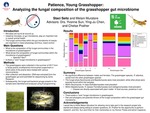
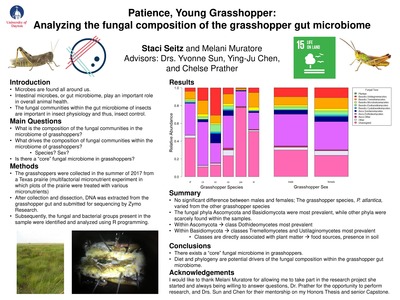
Patience, Young Grasshopper: Analyzing the Fungal Composition of the Grasshopper Gut Microbiome
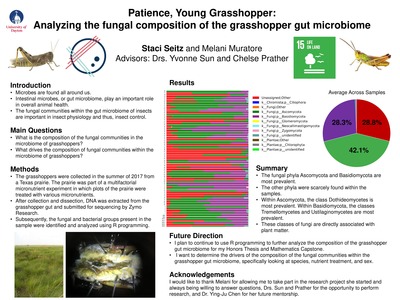
Microbes inhabit many corners of the Earth, including the intestines of all animals. These intestinal microbes, collectively called the “gut microbiome,” provide numerous nutritional and regulatory functions for the animals they live in and thus play an important role in animal health. The fungal communities in insects, specifically, play a diverse, but important role in insect physiology, as well as insect control. The goals of this project were to expand knowledge of R programming through statistical analysis of microbial ecology and to identify the fungal communities in grasshoppers to enrich our knowledge in insect fungal microbiome. The two main objectives in the project include (1) the identification of the composition of the fungal communities in grasshoppers and (2) the assessment of the drivers influencing the composition of the fungal communities. The grasshoppers were collected in the summer of 2017 from a Texas prairie bu Dr. Prather's research team. Upon arrival at the University of Dayton, the guts of the grasshoppers were removed by Melani Muratore to extract the DNA, which was then submitted for sequencing by Zymo Research. After analyzing the sequencing results, with funding from the STEM Catalyst Grant awarded to Dr. Prather, we identified two fungal phyla that were present in all samples: Ascomycota and Basidiomycota. Within Ascomycota, the class Dothideomycetes is most prevalent. Within Basidiomycota, the classes Tremellomycetes and Ustilaginomycetes are most prevalent. Dothideomycetes are typically found as saprobes, or decomposers, that break down dead organic matter. They are also commonly found on living plants, acting as pathogens or endophytes. Tremellomycetes are a type of pathogenic fungus that acts as a parasite toward insects and plants. Ustilaginomycetes, known as “smut fungi,” act as a parasite toward vascular plants. These classes of fungi are directly involved with plant matter, suggesting the association of plant fungi and the grasshopper fungal communities.
-
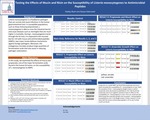
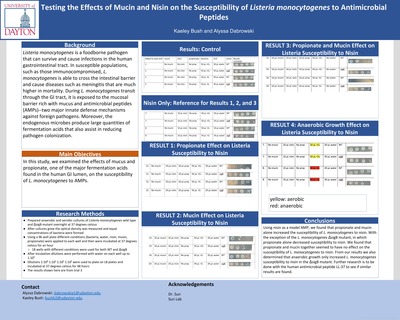
Testing the Effects of Mucin and Nisin on the Susceptibility of Listeria monocytogenes to Antimicrobial Peptides
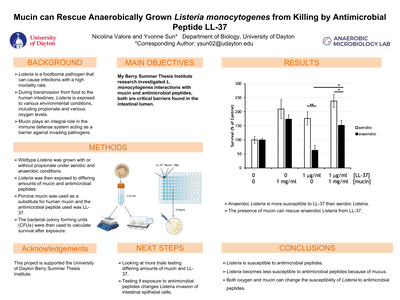
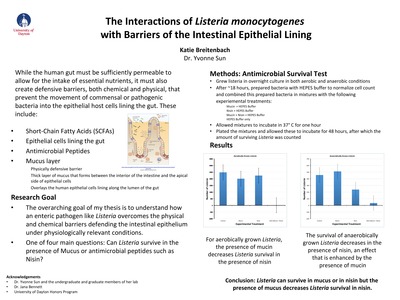
Listeria monocytogenes is a foodborne pathogen that can survive and cause infections in the human gastrointestinal tract. In susceptible populations, such as those immunocompromised, L. monocytogenes is able to cross the intestinal barrier and cause diseases such as meningitis that are much higher in mortality. During L. monocytogenes transit through the GI tract, it is exposed to the mucosal barrier rich with mucus and antimicrobial peptides (AMPs)--two major innate defense mechanisms against foreign pathogens. Moreover, the endogenous microbes produce large quantities of fermentation acids that also assist in reducing pathogen colonization. In this study, we examined the effects of mucus and propionate, one of the major fermentation acids found in the human GI lumen, on the susceptibility of L. monocytogenes to AMPs. Using nisin as a model AMP, we found that propionate and mucin alone increased the susceptibility of L. monocytogenes to nisin. With the exception of the L. monocytogenes ΔsigB mutant, in which propionate alone decreased susceptibility to nisin. We found that propionate and mucin together seemed to have no effect on the susceptibility of L. monocytogenes to nisin. From our results we also determined that anaerobic growth only increased L. monocytogenes susceptibility to nisin in the ΔsigB mutant. Further research is to be done with the human antimicrobial peptide LL-37 to see if similar results are found.